⏰LIMITED TIME:
FREE EU SHIPPING — NO MINIMUM ORDER
🚚⏰LIMITED TIME:
FREE EU SHIPPING — NO MINIMUM ORDER
🚚⏰LIMITED TIME:
FREE EU SHIPPING — NO MINIMUM ORDER
🚚
⏰LIMITED TIME:
FREE EU SHIPPING — NO MINIMUM ORDER
🚚⏰LIMITED TIME:
FREE EU SHIPPING — NO MINIMUM ORDER
🚚⏰LIMITED TIME:
FREE EU SHIPPING — NO MINIMUM ORDER
🚚
⏰LIMITED TIME:
FREE EU SHIPPING — NO MINIMUM ORDER
🚚⏰LIMITED TIME:
FREE EU SHIPPING — NO MINIMUM ORDER
🚚⏰LIMITED TIME:
FREE EU SHIPPING — NO MINIMUM ORDER
🚚
⏰LIMITED TIME:
FREE EU SHIPPING — NO MINIMUM ORDER
🚚⏰LIMITED TIME:
FREE EU SHIPPING — NO MINIMUM ORDER
🚚⏰LIMITED TIME:
FREE EU SHIPPING — NO MINIMUM ORDER
🚚
1.5 mL vs 2.0 mL Microcentrifuge Tubes: Which Size Should You Choose?
Compare 1.5 mL and 2.0 mL microcentrifuge tubes by working volume, rotor compatibility and handling needs before choosing supplies for your laboratory.
Choosing between 1.5 mL and 2 mL microcentrifuge tubes is not simply a matter of selecting the larger nominal volume. The best format depends on sample volume, mixing headspace, rotor compatibility and the way the tube will be handled throughout the workflow. This guide compares the two common sizes so laboratories and purchasing teams can choose more confidently.
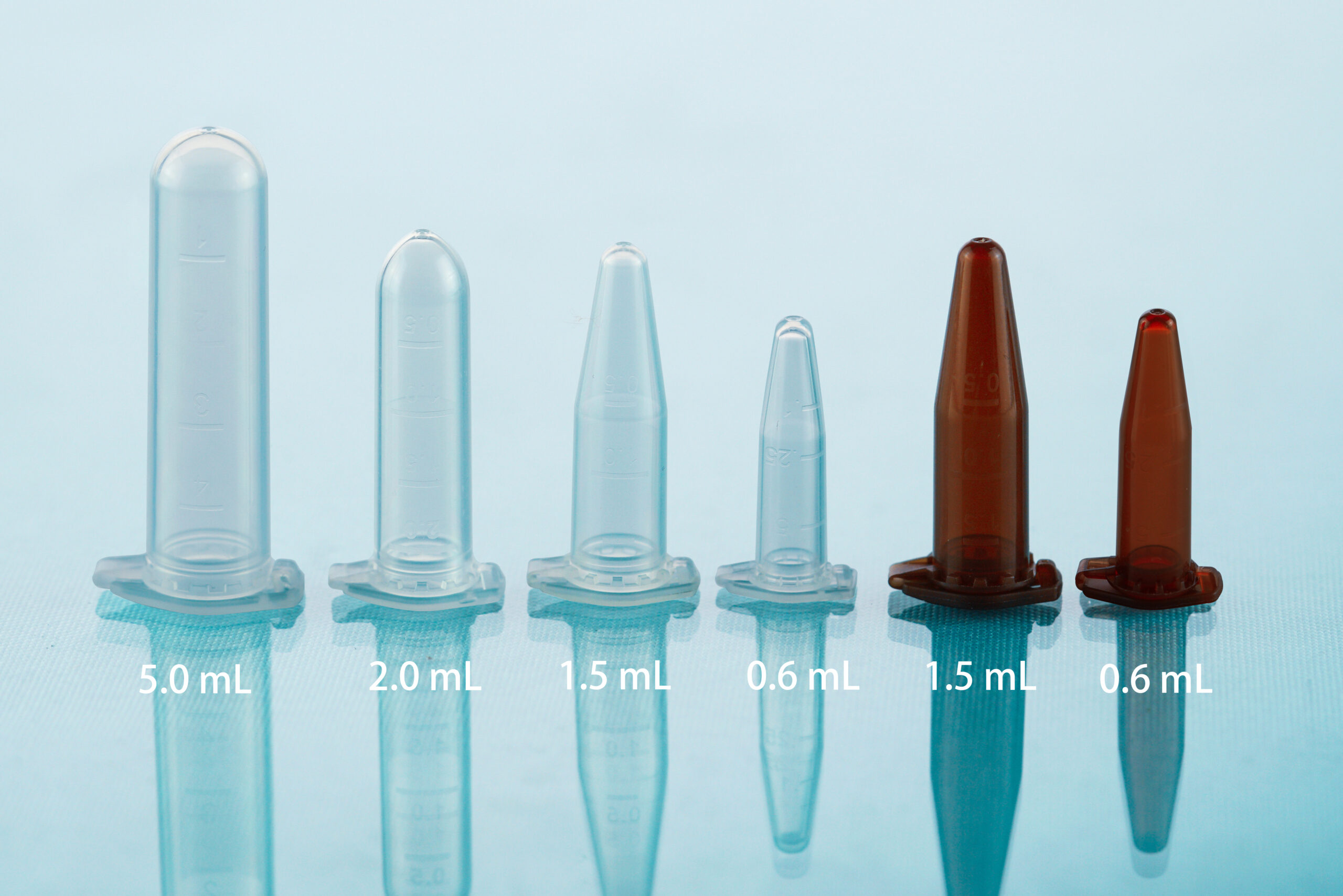
NEST microcentrifuge tube formats for different sample volumes and laboratory workflows.
Quick comparison: 1.5 mL vs 2.0 mL tubes
Selection factor
1.5 mL tube
2.0 mL tube
Best suited to
Routine small-volume processing
Larger samples or extra mixing space
Headspace
More limited near maximum fill
More room for mixing and pipetting
Rotor fit
Common in standard microcentrifuge rotors
Must be checked against rotor dimensions
Typical purchasing priority
Broad routine compatibility
Added capacity and workflow flexibility
When a 1.5 mL microcentrifuge tube is the better fit
A 1.5 mL tube is a practical default when most working volumes remain comfortably below its maximum capacity. It is widely used for sample preparation, aliquoting, reagent handling and small-volume centrifugation. The compact format can also make it easier to keep samples organized in common racks and storage boxes.
Choose this size when the protocol is already validated around a 1.5 mL format, the rotor is designed for that geometry, and extra headspace is not essential. If you are comparing suppliers, review our 1.5 mL microcentrifuge tube cross-reference instead of assuming that nominal volume alone guarantees an identical fit.
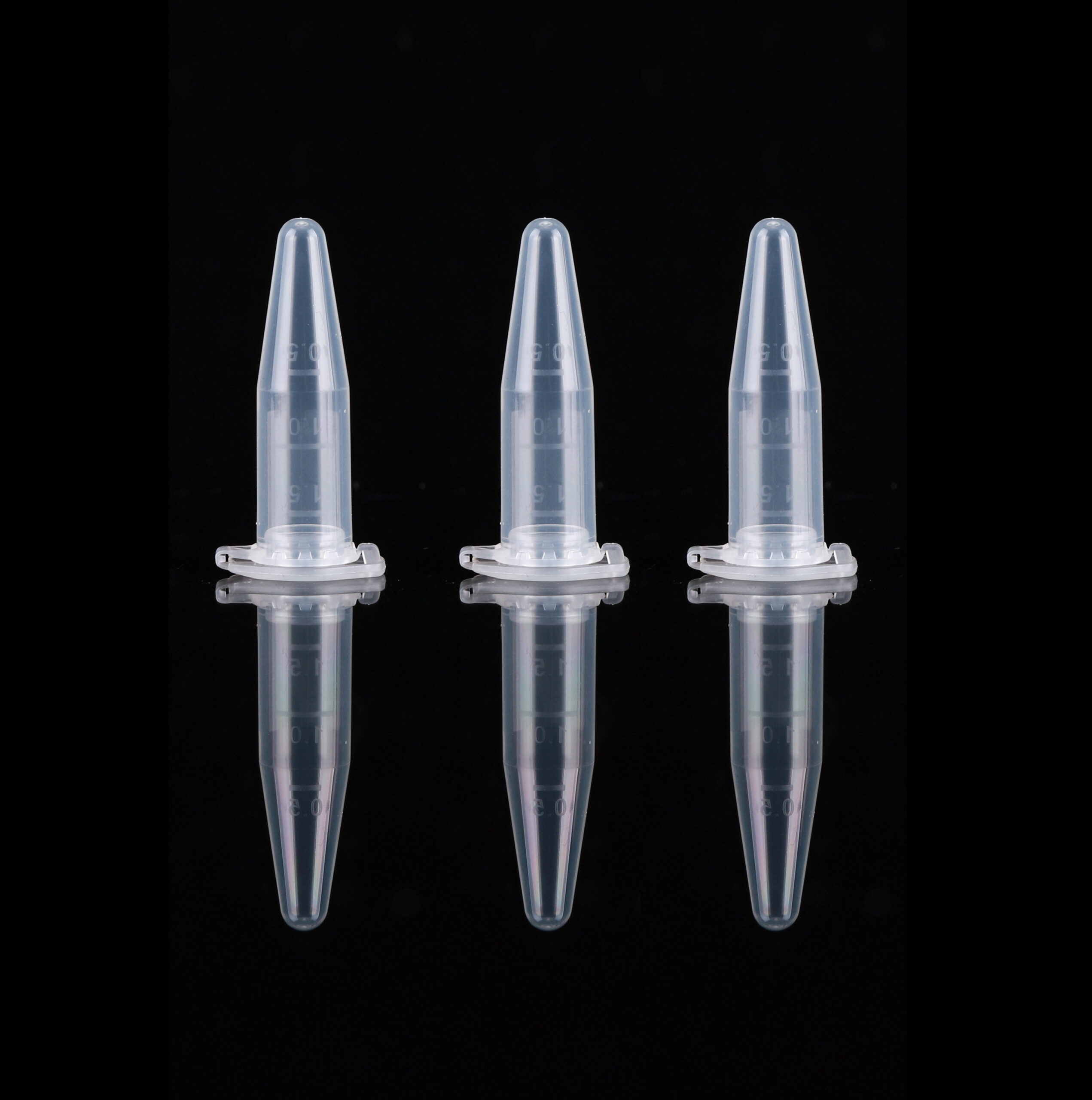
NEST 1.5 mL clear microcentrifuge tubes with attached caps.
When 2 mL microcentrifuge tubes offer an advantage
2 mL microcentrifuge tubes are useful when a workflow needs additional capacity or more headspace. That extra space can make vortex mixing, resuspension and repeated pipetting more convenient, particularly when the sample volume approaches the practical limit of a 1.5 mL tube.
The larger nominal volume does not automatically make the 2.0 mL format better. A tube filled close to its limit may still be difficult to mix cleanly, and the external dimensions may differ between products. Check the centrifuge rotor, adapters and racks before standardizing the format across the laboratory.
Five checks before purchasing
Working volume: Select for the actual sample and required headspace, not only the labeled capacity.
Rotor compatibility: Confirm tube diameter, length and supported geometry against the centrifuge manufacturer’s instructions.
RCF requirement: Match the tube specification to the relative centrifugal force used in your protocol.
Closure and handling: Consider cap security, one-handed opening, labeling area and visibility of the sample.
Procurement details: Compare pack size, cleanliness requirements, color options and lot documentation relevant to your laboratory.
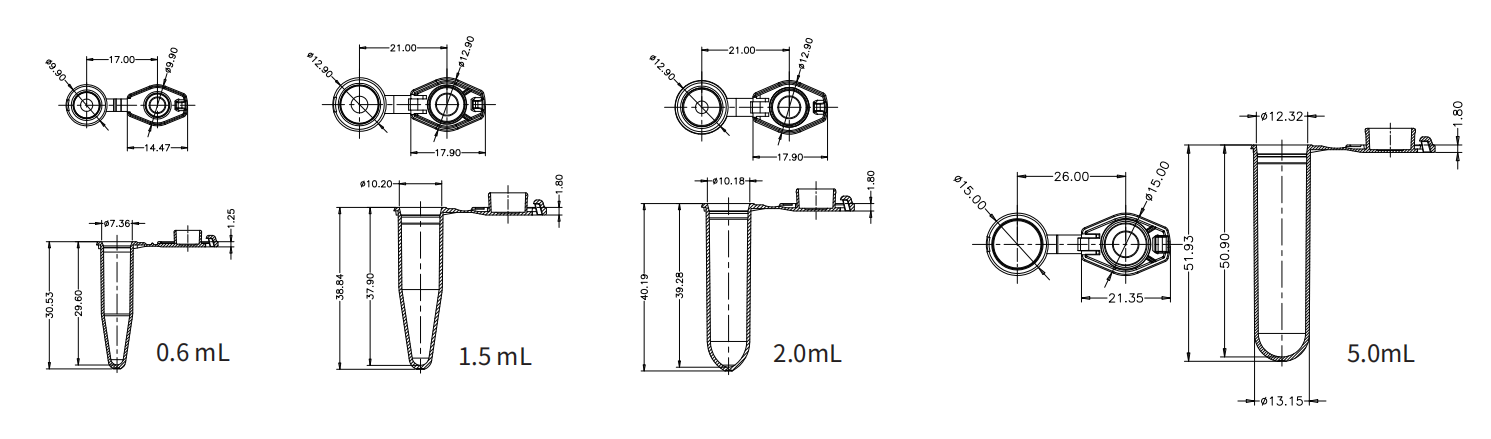
Tube dimensions should be checked when changing formats or suppliers.
Choosing NEST microcentrifuge tubes
NEST offers microcentrifuge tube formats for different sample-volume and workflow needs. Use the selection criteria above together with your protocol and equipment requirements, then compare NEST microcentrifuge tubes on the product page. For a broader checklist covering tube material, closure, centrifugation and purchasing considerations, see our guide on how to choose microcentrifuge tubes.
In short, 1.5 mL tubes remain an efficient choice for routine small-volume work, while 2.0 mL tubes provide useful extra capacity and headspace. The correct decision is the format that fits the complete workflow—not simply the tube with the larger number.
Frequently asked questions
Can a 2 mL tube fit a rotor designed for 1.5 mL tubes?
Sometimes, but it should never be assumed. Nominal capacity does not define the external diameter, length or cap geometry. Check the tube dimensions and the centrifuge manufacturer’s rotor or adapter specifications before use.
Is a 2 mL tube better for vortex mixing?
It can be when the same sample volume leaves more headspace in the 2.0 mL tube. Mixing performance still depends on the liquid, tube shape, fill level and protocol, so the method should be evaluated for the specific application.
Are 1.5 mL and 2 mL microcentrifuge tubes interchangeable?
They may serve similar workflows, but they are not automatically interchangeable. Capacity, dimensions, closure, maximum RCF and fit with rotors, racks or automated equipment can vary by product.
Which size is better for PCR cleanup or spin-column workflows?
Follow the protocol and the consumable manufacturer’s instructions. Many workflows are built around 1.5 mL collection tubes, but a different format may be required depending on the column, collection volume and centrifuge setup.
What should procurement teams verify before switching suppliers?
Compare physical dimensions, maximum RCF, material, cap performance, cleanliness requirements, packaging, documentation and equipment compatibility. A sample evaluation can help confirm fit and handling before a larger purchase.
Need help selecting a tube format?
Tell NEST your sample volume, centrifugation conditions and purchasing requirements. Our team can help you identify a suitable microcentrifuge tube option.
Cookies are small text files that can be used by websites to make a user's experience more efficient. The law states that we can store cookies on your device if they are strictly necessary for the operation of this site. For all other types of cookies we need your permission. This site uses different types of cookies. Some cookies are placed by third party services that appear on our pages.
Necessary cookies help make a website usable by enabling basic functions like page navigation and access to secure areas of the website. The website cannot function properly without these cookies.
Marketing cookies are used to track visitors across websites. The intention is to display ads that are relevant and engaging for the individual user and thereby more valuable for publishers and third party advertisers.
Preference cookies enable a website to remember information that changes the way the website behaves or looks, like your preferred language or the region that you are in.