
Free EU Shipping on Orders €200+ 🚚
Free EU Shipping on Orders €200+ 🚚
Free EU Shipping on Orders €200+ 🚚



Microcentrifuge tubes are everyday laboratory consumables, but choosing the right format still affects handling, centrifugation and storage. Capacity, material, maximum relative centrifugal force (RCF), colour and cap design should match the sample and protocol.
What Is a Microcentrifuge Tube?
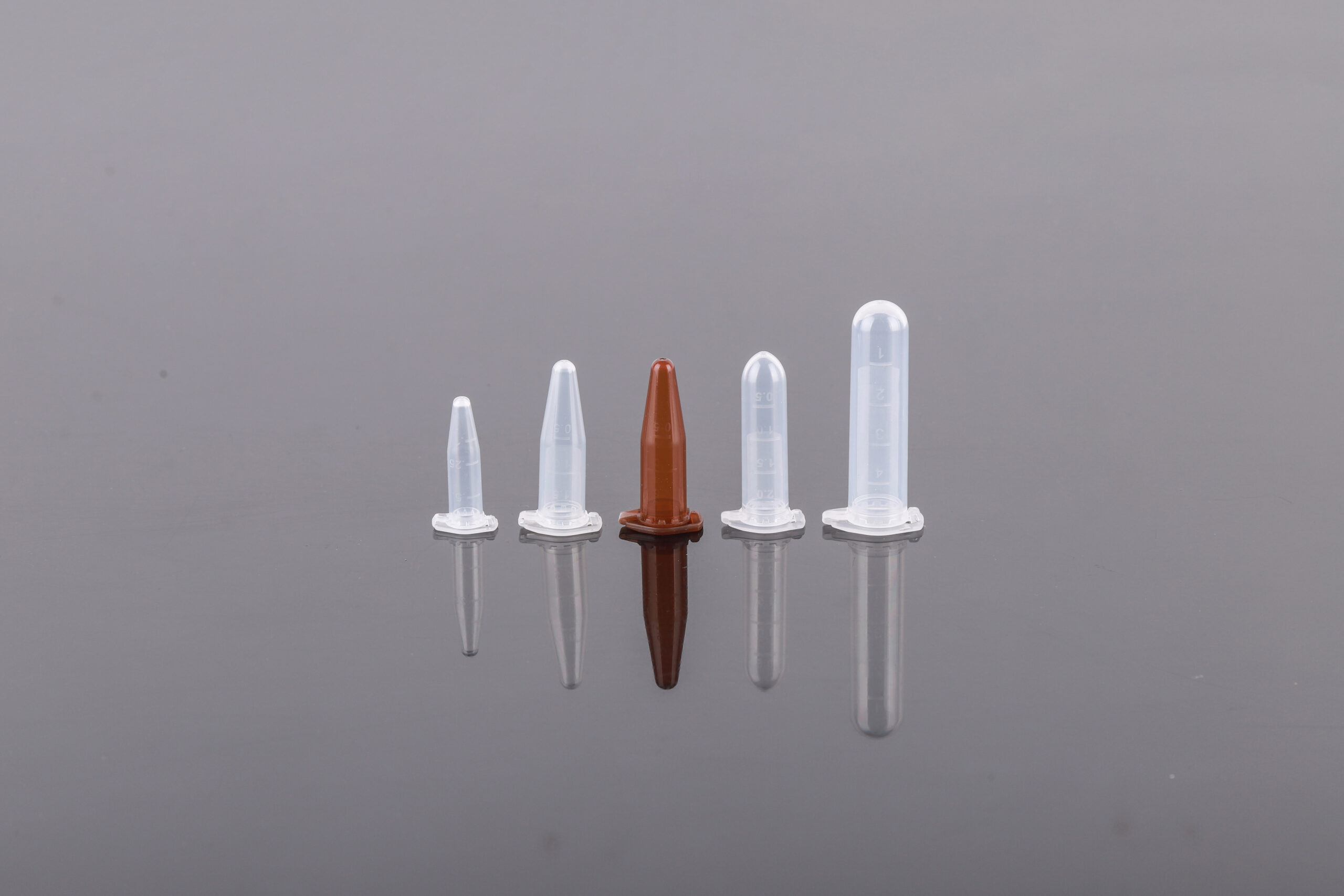
A microcentrifuge tube is a small plastic tube designed for preparing, mixing, centrifuging and storing limited liquid volumes. A conical bottom helps concentrate material after centrifugation, while an attached cap supports convenient sample handling.
These tubes are widely used in molecular biology, biochemistry, protein research and general sample preparation.
Choose the Capacity Around Your Working Volume
Common capacities include 0.6 mL, 1.5 mL, 2.0 mL and 5.0 mL. Allow enough headspace for mixing and follow the tube and centrifuge manufacturers’ operating limits.
- 0.6 mL: low-volume samples and compact workflows.
- 1.5 mL: general-purpose preparation and centrifugation.
- 2.0 mL: extra working space when 1.5 mL is restrictive.
- 5.0 mL: a bridge between microtubes and larger conical tubes.
Material and Maximum RCF
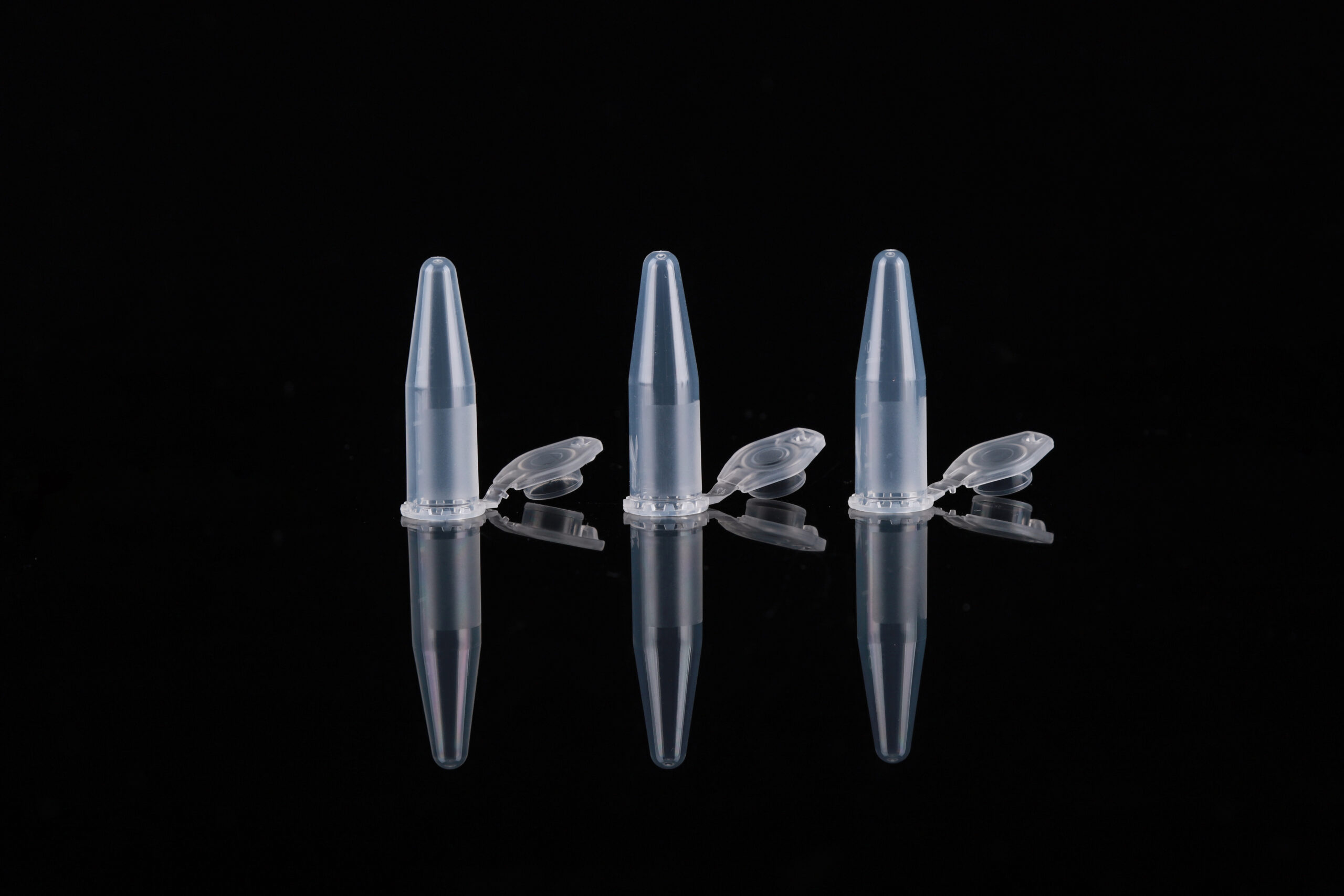
Polypropylene is commonly used because it combines low weight, strength and resistance to many routine laboratory chemicals. Material alone, however, does not define centrifugation performance. Always check the stated maximum RCF for the exact tube and use a compatible rotor and adaptor.
RCF is expressed as ×g. It is not the same as revolutions per minute, because the force also depends on rotor radius. For high-speed work, select a verified RCF rating above the protocol requirement and inspect tubes for damage before use.
Clear or Amber?
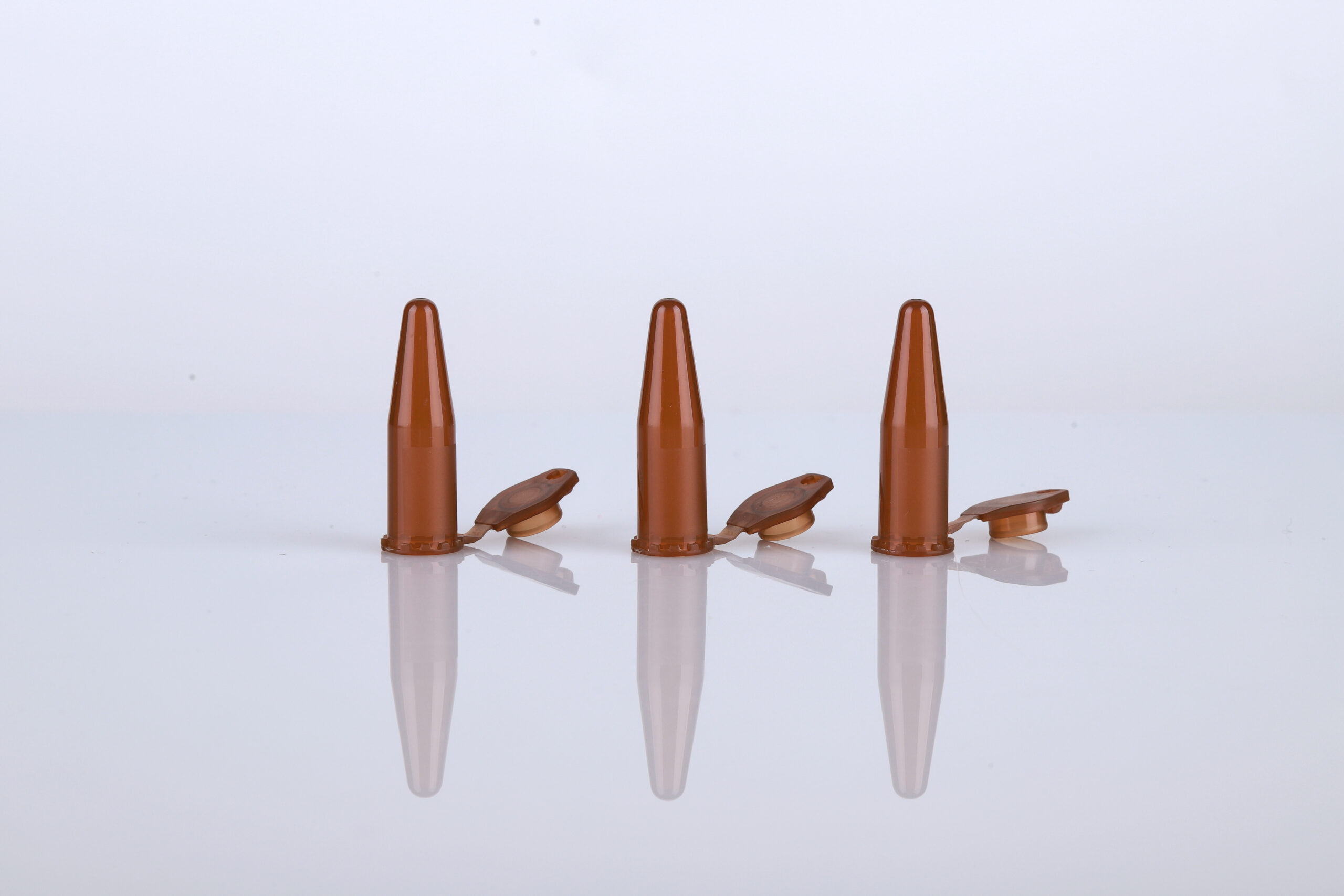
Clear tubes make it easier to inspect liquid level and pellet formation. Amber tubes reduce light exposure and may be preferable for photosensitive samples. Colour should therefore be chosen according to sample sensitivity.
Check Sterility, Cap Design and Packaging
Sterile and non-sterile tubes serve different workflows. Do not assume sterility from appearance or packaging alone. Confirm the specification and choose according to the contamination controls in your protocol.
A secure cap matters during mixing and high-speed centrifugation. Also compare packaging quantity, traceability and storage requirements when purchasing for a whole laboratory.
Where NEST 615001 Fits
The NEST 615001 microcentrifuge tube is a 1.5 mL clear, conical-bottom, non-sterile PP tube with a stated maximum RCF of 30,000 ×g. It is supplied in bags of 500 tubes, with 5,000 tubes per case. These specifications make it a practical option for routine workflows that require a clear 1.5 mL tube.
Frequently Asked Questions
What is the most common microcentrifuge tube size?
The 1.5 mL format is widely used for routine preparation and centrifugation, although the best size depends on actual working volume.
Are RPM and RCF the same?
No. RPM describes rotational speed, while RCF describes the force applied to the sample and depends on both speed and rotor radius.
Can microcentrifuge tubes be autoclaved?
Only when the exact product specification permits it. Follow the manufacturer’s stated temperature, pressure and time limits.
When should amber tubes be used?
Amber tubes are useful when a sample or reagent requires reduced light exposure. The protocol should determine whether this protection is sufficient.
Choose a Tube That Matches the Protocol
Start with working volume, maximum RCF, sterility, material and cap security. View the NEST 1.5 mL microcentrifuge tube, or contact us for availability and bulk-order support.